

The first six weeks of a puppy’s life are a period of remarkably rapid development. A puppy gradually changes from a completely dependent newborn into a more active, curious and increasingly social young dog.
At first, warmth, nursing and the mother are essential for survival. As the senses become functional and motor skills improve, puppies begin to explore their surroundings, interact with their littermates and develop the foundations of social behavior.
It is important to remember that development does not follow exactly the same schedule for every puppy. The weeks described below are general developmental guidelines, not strict deadlines.

Week 1 Birth & Getting Stronger
During the first week, puppies are completely dependent on their mother. They are born with their eyes and ears closed and cannot yet regulate their body temperature effectively.
Most of their time is spent sleeping and nursing. Their world at this stage is very small: their mother’s warmth, scent and milk, together with the closeness of their littermates.
The mother plays a vital role by providing warmth and nutrition, cleaning the puppies and stimulating them to urinate and defecate. At the same time, the breeder should monitor each puppy’s weight, behavior and overall condition.
The priorities at this stage: warmth, colostrum, regular nursing, sleep and daily monitoring.

Week 2 Eyes & Ears Begin To Open
Around the second week, important changes begin to appear. Most puppies start opening their eyes between approximately 7 and 14 days of age, while hearing also begins to develop.
At first, puppies still cannot see or hear like adult dogs. Their senses are only becoming functional, and their movements remain uncoordinated as they stay close to their mother and littermates.
They also become more alert and begin attempting to stand. Their motor skills improve rapidly over the following days.
This marks the transition from the fully neonatal stage toward a more active awareness of the world.
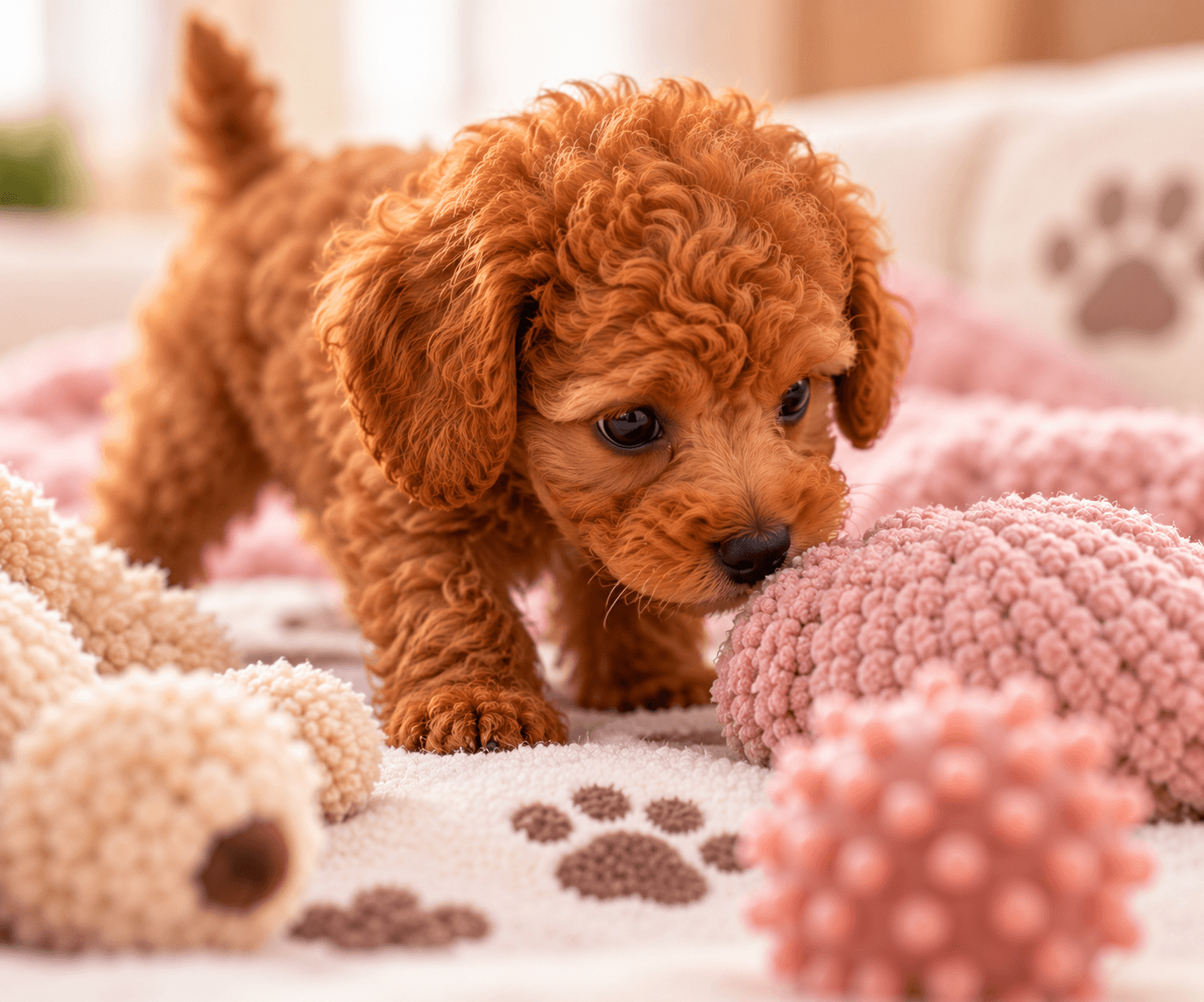
Week 3 Senses Become More Active
During the third week, puppies become increasingly aware of the world around them. Their vision and hearing continue to mature, and they begin to notice sounds, movement, people and changes in their surroundings.
Their motor skills also improve. Puppies become more confident when standing and moving, while interactions with their littermates become increasingly important.
This is an important stage for the development of social behavior. Contact with their mother and littermates provides the foundation for learning canine communication.
Each day brings a little more awareness, movement and curiosity.
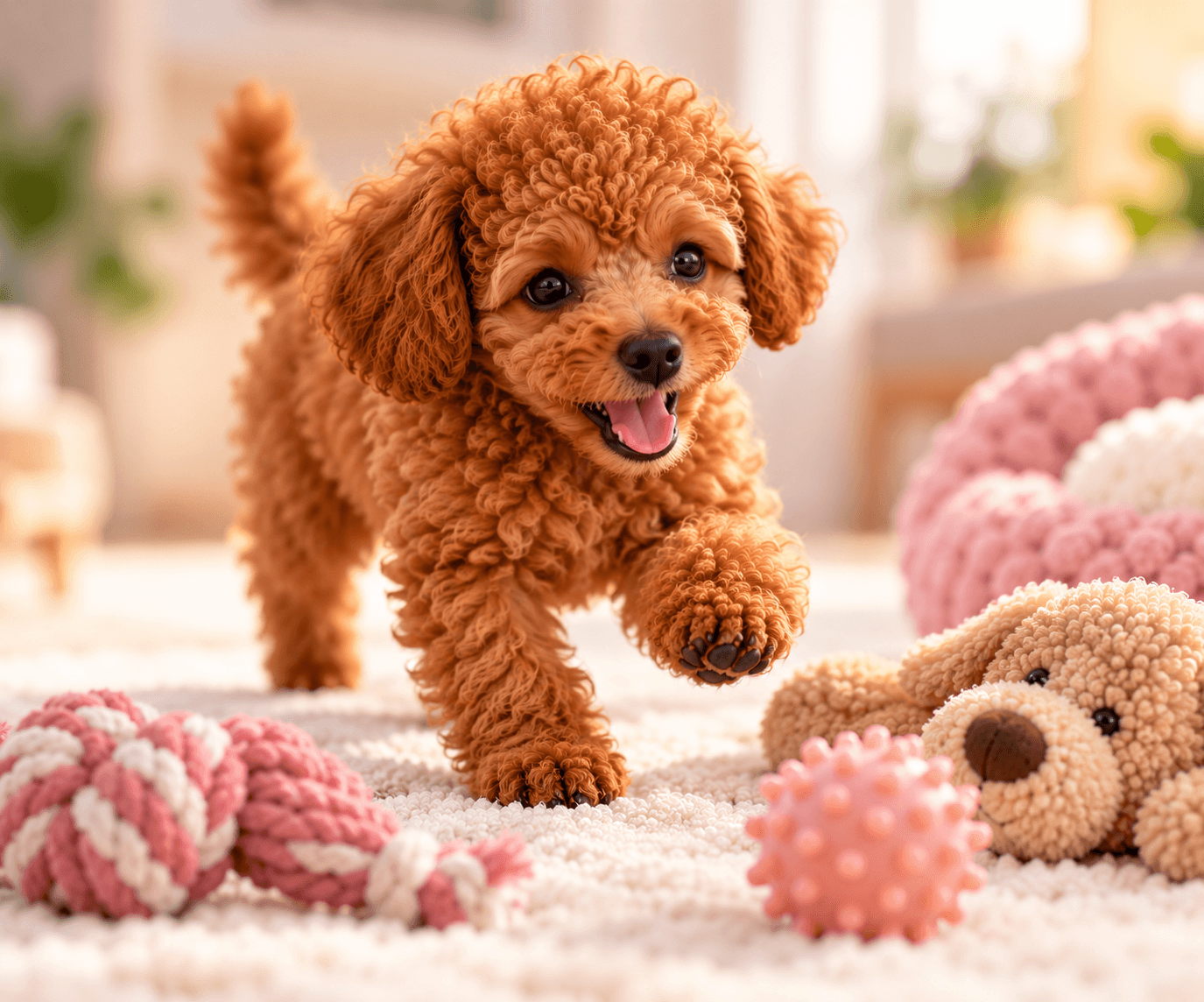
Week 4 Walking, Exploring & Playing
Around the fourth week, puppies become noticeably more mobile. Walking becomes more stable, they begin exploring their surroundings and they spend increasing amounts of time interacting with their littermates.
Play becomes an important part of development. Through chasing, gentle wrestling, grabbing and mouthing, puppies begin learning how to communicate with other dogs.
This period also marks an important nutritional transition. As puppies mature, appropriate solid food can gradually be introduced while their mother’s milk remains an important part of their diet.
Their environment should be safe, clean and interesting enough to encourage exploration without becoming overwhelming.
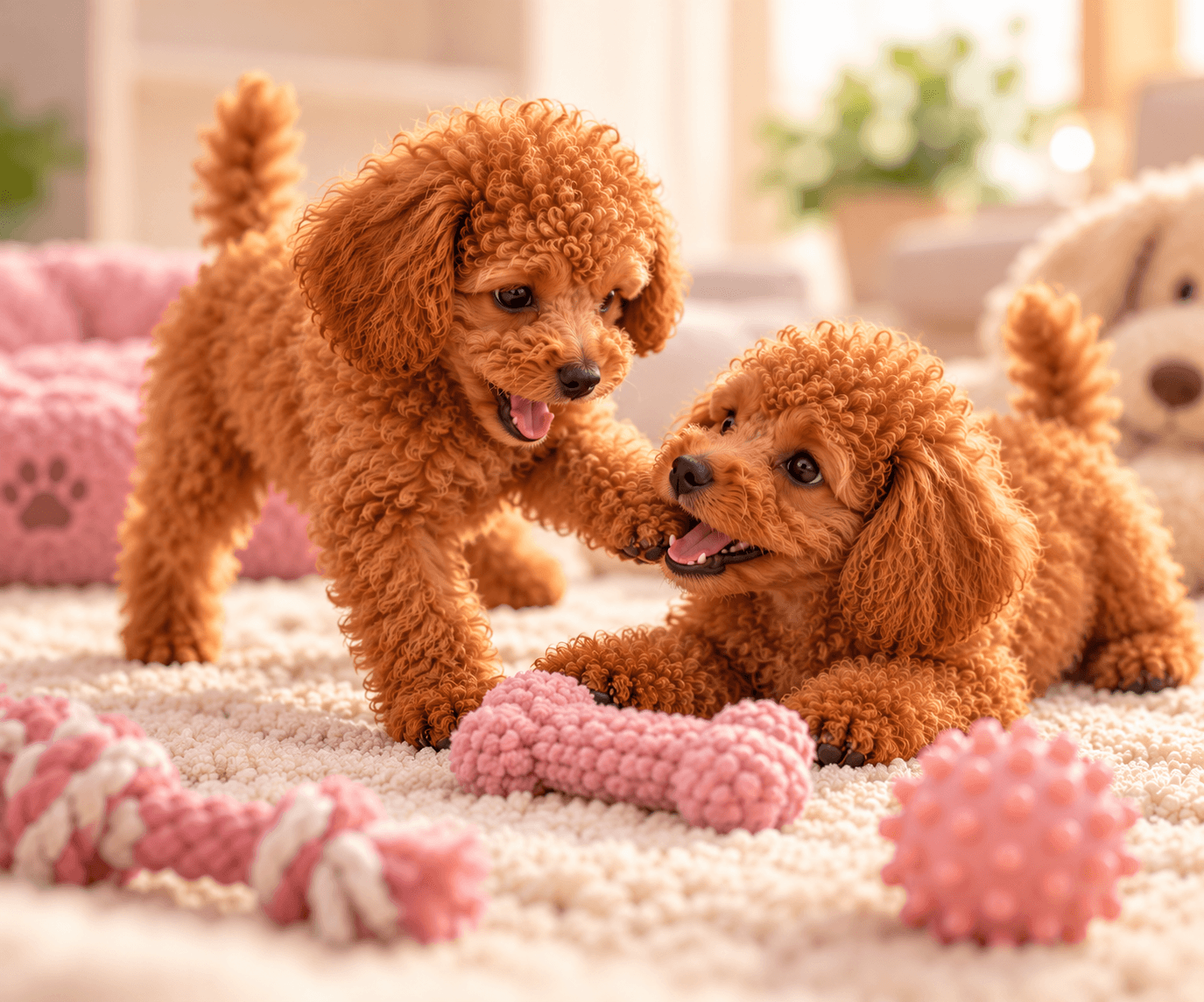
Week 5 More play and social learning
During the fifth week, puppies become increasingly active and confident on their feet. Play with their littermates becomes an important part of daily life and helps them learn how to communicate with other dogs.
Through play, they begin developing bite inhibition, learning to respond to the reactions of other puppies and understanding basic canine communication.
They also become more interested in exploring their surroundings, making safe, calm and positive new experiences an important part of this stage.
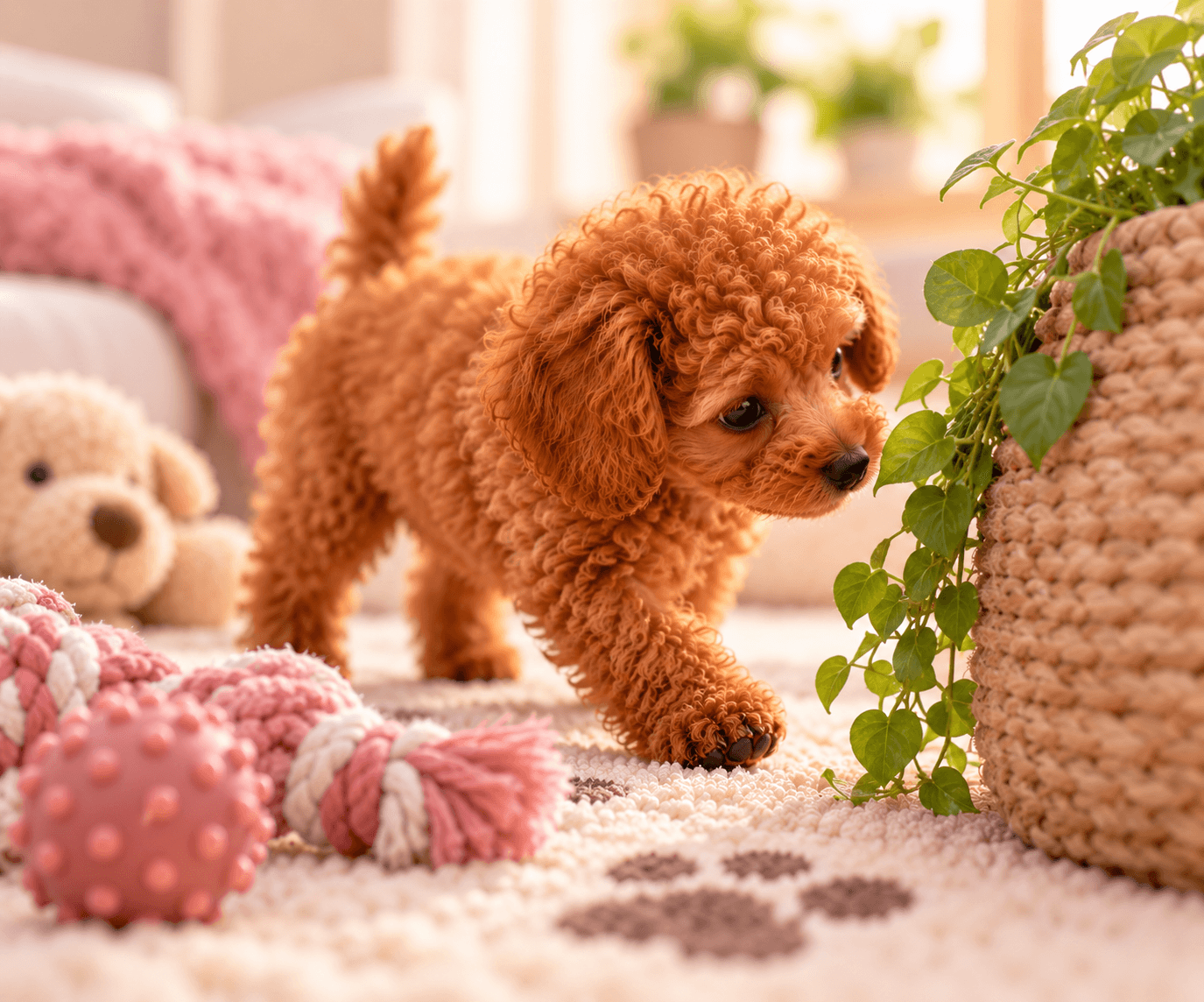
Week 6 Curiosity and growing independence
By the sixth week, puppies become even more curious, active and expressive. Their individual temperaments may become easier to notice — some puppies are especially bold and adventurous, while others are calmer or more cautious.
They spend more time exploring, playing with littermates and responding to people and different sounds around them.
This is an important period for positive socialization. New experiences should be introduced gradually and without unnecessary stress, helping puppies learn that the world around them is safe and predictable.

Puppy Care
What puppies need in the first days?
What do newborn puppies need in their first days? Learn about warmth, colostrum, nursing, weight monitoring and the essential care that supports healthy development.
Breeding & Education
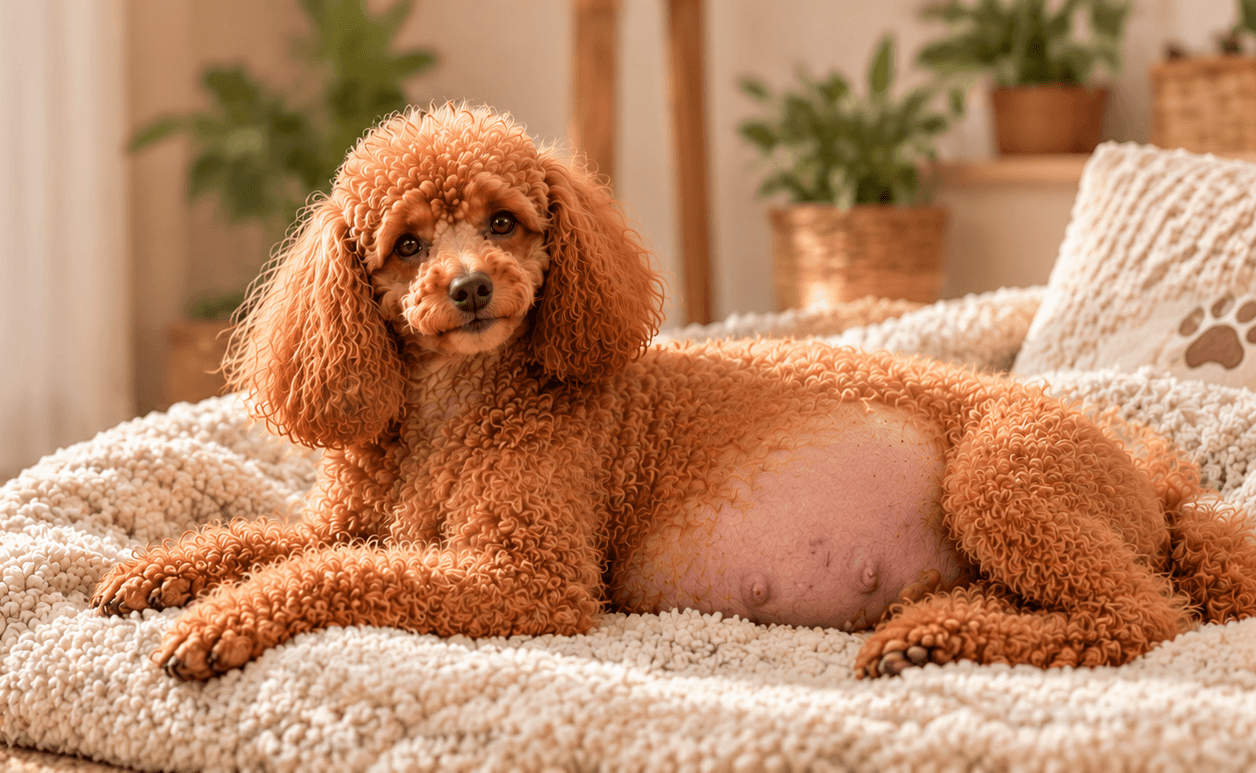
Your Dog Is Pregnant… Now What?
Learn what to expect during pregnancy, how your dog’s needs change and how to prepare for a safe whelping.

Life With a Poodle
What Your Poodle's Sleeping Position Says About Them
From curling into a tiny donut to sleeping on their back, your Poodle's favorite sleeping position can offer little clues about comfort, security, trust, and relaxation.